A carotenoid from microalgae keeps turning up in performance stacks. Here is what the research on it actually examined, what it did not, and where the marketing runs ahead of the evidence.
A clear look at how AMPA and NMDA receptors work together, why calcium matters, and how active practice helps make useful neural pathways easier to reactivate.
You start a book or a course full of focus, and a week later it has all slipped away. Here is where to start instead: the foundation that makes the next thing you learn actually hold.
You cannot download information into your head, and there is a biological reason why. Here is what really limits how fast you learn, and how to design around it instead of fighting it.
When a tutorial makes sense but your own project stalls, examine how many decisions the task demands at once. A worked example can help you take over the work gradually.
The spacing effect is more useful when review timing follows a retention goal. Learn how to schedule, test, and adjust reviews without trusting a universal formula.
Getting ahead used to mean working harder, then working smarter. Now it means knowing how to use AI before the people around you do: and that window is already closing.
Time spent is not the input that produces skill. Corrected attempts are. Here is what the research actually shows about feedback loops in learning, where the popular version overshoots, and how to shorten yours without breaking it.
In a 2006 experiment, students who re-read a passage about 14 times recalled 40% of it a week later. Students who read it once and then tried three times to remember it recalled 61%: and the re-readers were the most confident they would do well. Re-reading isn't useless; it's optimized for the wrong test.
You take a break to reset. You come back, sit down, and the focus never shows up. Sophie Leroy's research on attention residue found that part of your attention stays behind on whatever you left unfinished, and it gets worse when you dread the return. The fix isn't a longer break. It's a one-minute note written before you stand up.
You are putting in the same hours, running the same drills, and you are exactly as good as you were a month ago. That is almost never a talent ceiling. It is practice that stopped containing new information, and adding hours to it buys more of the same nothing. Here is what eight studies show about why progress stalls, why your own sense of a good session is the worst guide to whether you are learning, and the four changes that actually restart it.
Nobody hands you a system for learning. This is the one I built for myself: how to focus when your mind is scattered, remember what you read, and practice without wasting the hour.
AI will not make you smarter on its own. Knowing how to learn with it is the real edge: ten specific ways to use it, and what each one is genuinely good for.
AI can make you feel smarter very quickly. This is the four-step workflow that tells you whether it is actually teaching you anything, or only making the session feel productive.
Context can cue recall, but changing rooms is not the whole lesson. Use varied questions, examples, and realistic tasks to build more routes back to knowledge.
Most learning advice was written for classrooms. You are not in one. Ten strategies from education research, rewritten for someone with no teacher, no syllabus and nobody checking their work.
A low-stakes question before a lesson can sharpen what you learn next—even when your first answer is wrong. The benefit is real, targeted, and easy to misuse.
Twenty tabs open, books piled on the desk, and no actual progress. What moved me was a neuroscientist's six-part framework: and an honest account of applying it to my own paralysis.
A Stanford-led randomized trial found that five minutes of cyclic sighing a day improved positive mood and slowed resting breathing more than meditation did. But the study tested it as a daily practice, not the emergency reset most people treat it as: and that changes how you should use it.
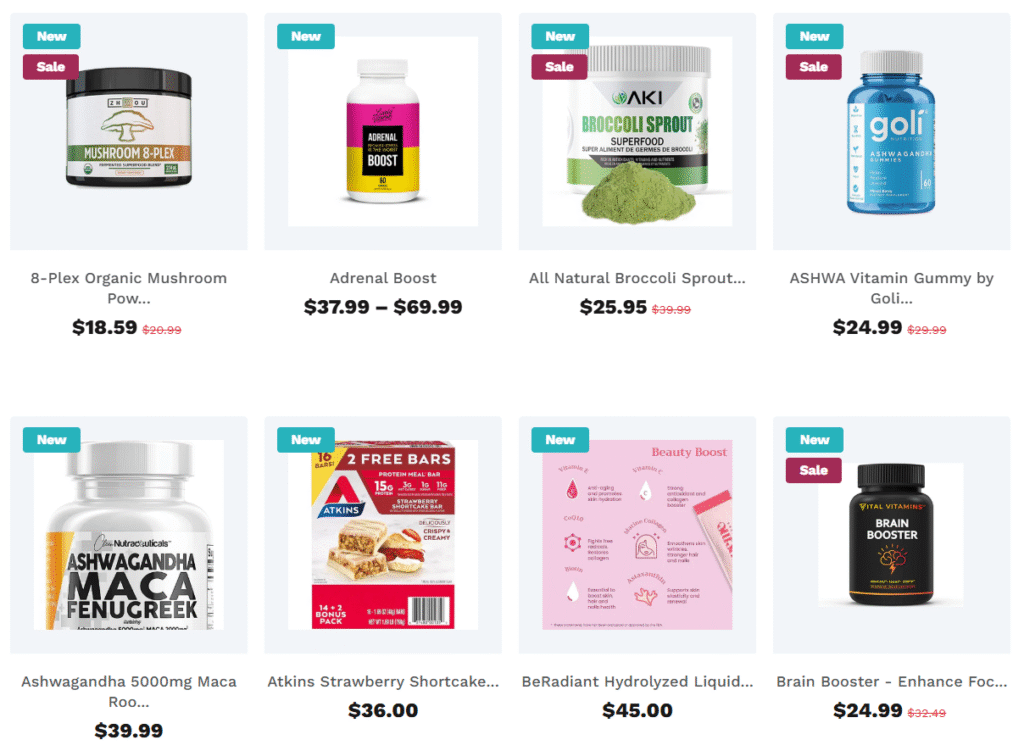
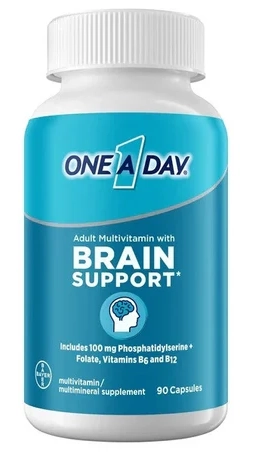
I take a lot of supplements and none of them ever made me better at learning. What the good ones did was stop my brain from being the reason a study session fell apart. Here is what five trials actually found on theanine, bacopa, lion's mane, creatine and rhodiola, who was studied in each one, and why almost every positive result came from a population with a deficit rather than a healthy learner looking for an edge.
The people who pull ahead do not simply work harder. They upgrade the system they use to acquire knowledge, skill and judgment: and that system is itself something you can learn.